
In the past few years, the definition of “work” has transformed dramatically. The pandemic accelerated remote working, and since then, companies across the globe have experimented with flexible schedules, hybrid workplaces, and digital collaboration tools. While this change has given people more freedom, it has also introduced a new lifestyle challenge: maintaining a healthy work-life balance when “home” and “office” often occupy the same space.
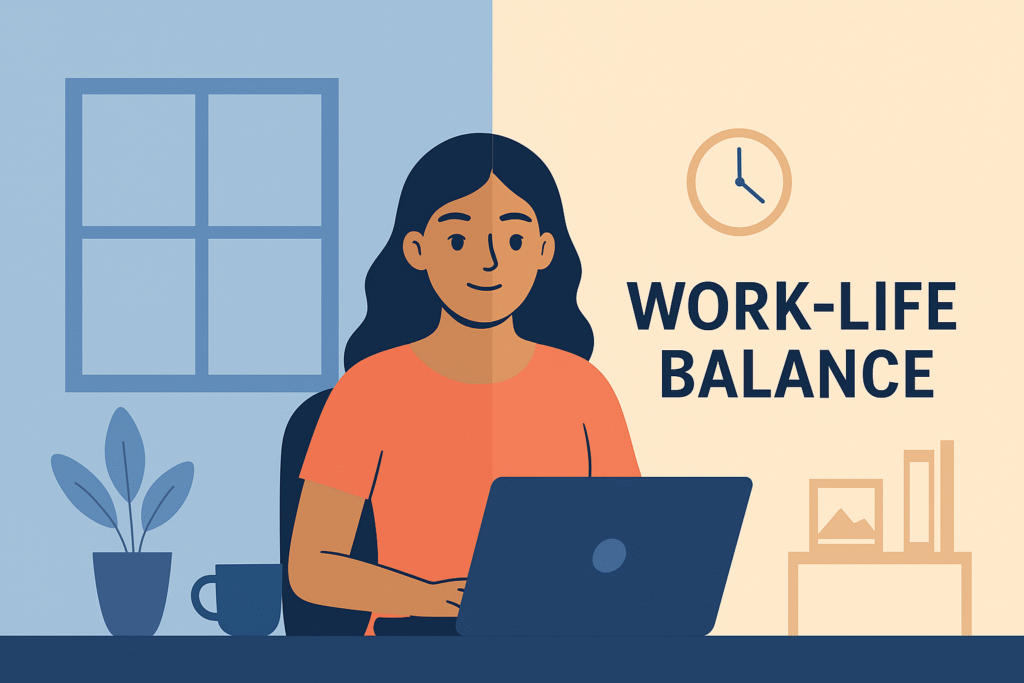
The Changing Nature of Work
For decades, professional life meant commuting to an office, clocking in fixed hours, and returning home to personal life. Today, millions of employees are working either fully remote or in hybrid roles—splitting their time between home and office. This shift has blurred the lines between professional and personal lives, creating both opportunities and challenges.
Benefits of Remote and Hybrid Work
The lifestyle advantages of remote and hybrid setups are undeniable:
- Flexibility – Employees can customize their schedules, managing work around family responsibilities, hobbies, or even travel.
- Reduced Commute Stress – Hours once wasted in traffic can now be spent on exercise, reading, or quality time with loved ones.
- Work from Anywhere – People can relocate to smaller cities, closer to family, or even experiment with “workations” (working while traveling).
- Cost Savings – From fuel expenses to eating out, remote workers often save significant money.
The Dark Side: Lifestyle Struggles
However, this freedom comes with hidden costs:
- Always Online Culture – Many employees feel the pressure to respond to emails and calls beyond office hours.
- Mental Health Strain – The lack of clear boundaries can lead to burnout, stress, and even anxiety.
- Isolation – Without daily in-person interaction, employees may feel disconnected and lonely.
- Physical Health Issues – Long hours at home without ergonomic setups often lead to back pain, eye strain, and weight gain.
The Importance of Balance
Work-life balance is no longer just a personal goal—it is a lifestyle necessity. A poor balance affects not just productivity but also relationships, health, and overall happiness. Studies suggest that employees with a healthier balance are 30% more productive and significantly happier compared to those stuck in an “always working” mindset.
Tips to Achieve Balance in Remote/Hybrid Life
Here are some practical lifestyle adjustments that can help:
- Create a Dedicated Workspace
Having a separate area for work helps create a mental distinction between “office mode” and “home mode.” - Stick to a Routine
Set specific work hours and respect them. Start and end your day with rituals like a walk, meditation, or reading. - Take Scheduled Breaks
Short breaks improve focus and reduce fatigue. Use techniques like the Pomodoro method (25 minutes of work, 5 minutes of rest). - Stay Physically Active
Incorporate stretches, yoga, or a quick workout to avoid the health risks of a sedentary lifestyle. - Prioritize Social Connections
Even in a remote setup, schedule virtual coffee breaks with colleagues or spend time with family and friends offline. - Digital Detox
Reduce unnecessary screen time after work hours—read a book, cook, or pursue a hobby instead of endlessly scrolling.
The Employer’s Role
Lifestyle balance is not just the responsibility of employees. Companies must also create healthier work cultures by:
- Encouraging flexible hours without micromanagement.
- Respecting personal time by avoiding after-hours communication.
- Offering mental health support and wellness programs.
- Organizing team-building activities, both online and offline.
Looking Ahead
As hybrid and remote models become the new normal, society must evolve to embrace this lifestyle change. Governments, businesses, and individuals all play a role in creating an environment where professional and personal lives can coexist without conflict.
The future of work is flexible, but flexibility without balance can quickly turn into chaos. The goal should not just be to “work from anywhere” but to live fully, healthily, and meaningfully alongside work.
Conclusion
The remote and hybrid era has redefined lifestyle patterns. For some, it is a dream come true—more time with family, more freedom, more control. For others, it has created stress and blurred boundaries. The key lies in building intentional routines, prioritizing mental and physical health, and ensuring that work enhances life rather than consuming it.